Wondering why one Eden Prairie home gets strong interest right away while another sits and needs a price cut? Pricing is rarely just about picking a number you like. In a market like Eden Prairie, the best pricing strategy ties together local comps, your home’s condition, current competition, and how buyers are behaving right now. Let’s dive in.
Pricing Starts With Eden Prairie Reality
Eden Prairie has its own market rhythm, and that matters when you price a home. The city has about 64,198 residents, 25,439 households, a 76% homeownership rate, a median housing value of $543,700, and a median household income of $127,732. That local profile shapes how sellers think about timing, equity, and what their next move can look like.
It also helps explain why pricing here is not a generic formula. Many homeowners are not just trying to sell. They are also thinking about buying their next home, managing monthly payments, or using built-up equity to make a move.
Why Housing Stock Affects Price
Eden Prairie’s housing stock is heavily weighted toward owner-occupied, single-family homes. City planning materials describe the housing mix as roughly 73% single-family and 73% owner-occupied, with only 8% of homes built before 1970 and more than a third built since 1989.
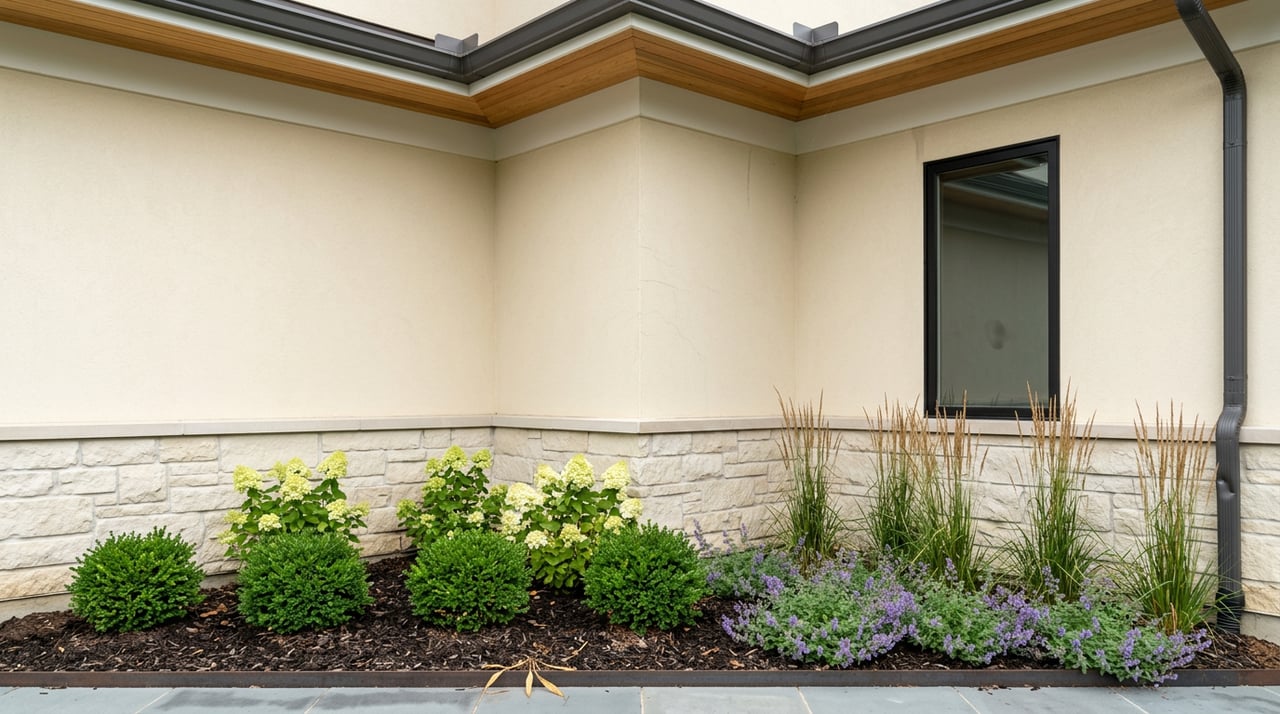
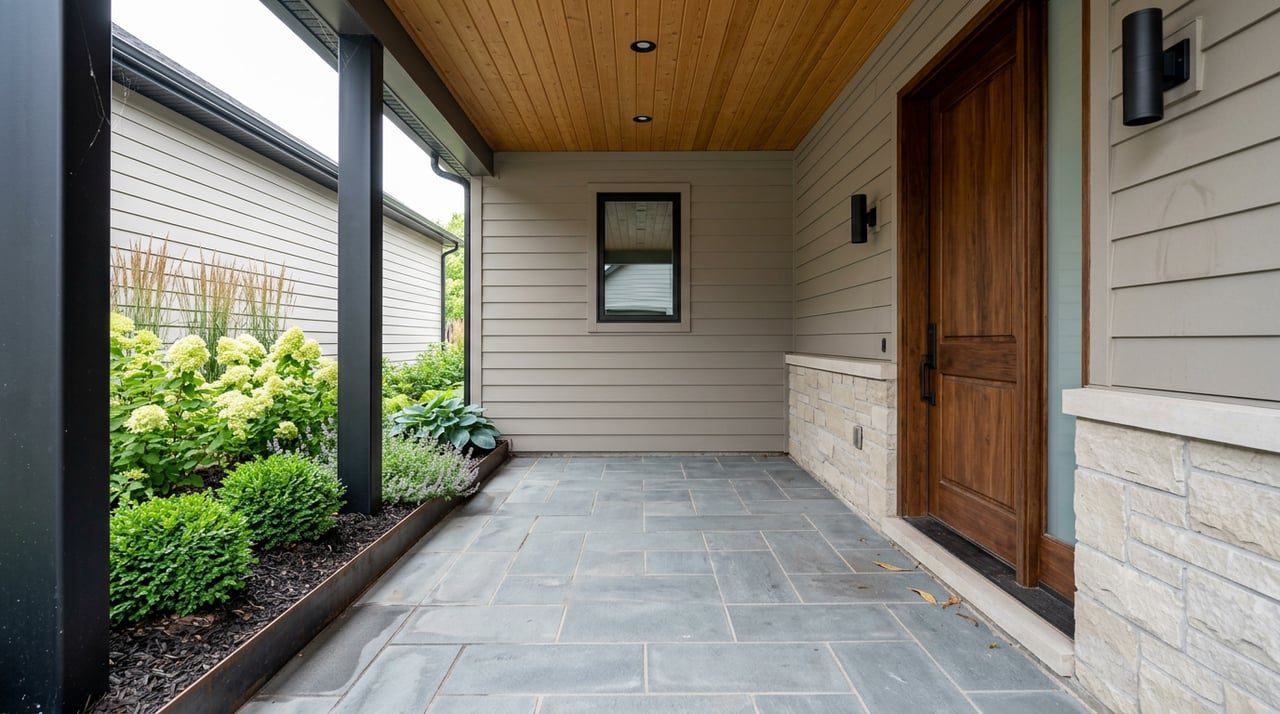
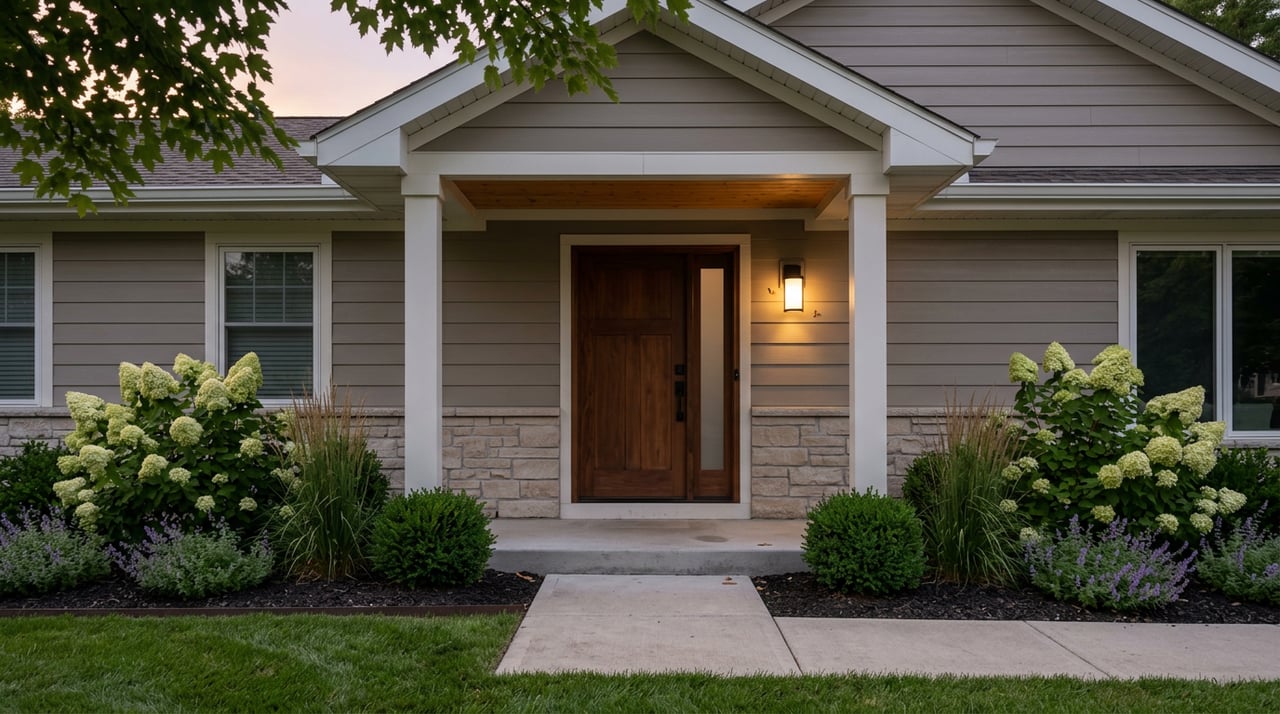
That matters because buyers often compare similar suburban homes side by side. If your home is competing with other properties that offer updated finishes, solid upkeep, and strong presentation, condition becomes part of the pricing conversation. Even small differences can influence how buyers respond.
What The Current Market Suggests
Recent MLS data shows an active market, but not a chaotic one. In Eden Prairie’s March 2026 update, there were 100 new listings, 61 closed sales, 118 homes for sale, 1.9 months of supply, and 65 days on market until sale. Sellers received 97.9% of original list price on average.
The same report showed a monthly median sales price of $430,000 and a rolling 12-month median sales price of $479,990. Because monthly numbers can swing more sharply in a smaller sample, the rolling 12-month figure gives a steadier view of pricing trends.
Broader market data also places Eden Prairie as a higher-price area within Hennepin County. Realtor.com reported a median listing price of $525,000 in Eden Prairie, compared with a county market where homes sold for about asking on average.
Smart Pricing Is More Than Comps
A thoughtful pricing conversation includes comps, but it should not stop there. A solid pricing review should look at your home’s size, location, amenities, condition, upgrades, needed repairs, current market conditions, and what buyers are responding to right now.
In plain terms, that means the number should come from evidence, not optimism. The right list price is not just about what a neighbor got last year. It is about how your home stacks up against recent sales, current competition, and likely buyer expectations today.
The Right Comp Set Matters
Not all comps are equally useful. In Eden Prairie, single-family homes should be compared with single-family homes, while townhomes and condos need their own comp set.
That is especially important in today’s market because buyer demand can vary by property type. Minnesota Realtors reported that statewide in March 2026, condo sales were down 13.3% while townhome sales were up 4.3%. If you use the wrong category to support a price, you can end up chasing the wrong buyer pool.
Active Listings Matter Too
Sold homes tell you where the market has been. Active listings show what buyers are choosing from right now.
That means pricing is partly a competition decision. If your home is listed alongside similar options with stronger updates or a more polished presentation, buyers may expect your price to reflect that difference.
This is one reason experienced agents look at both sold comps and active competition. A home does not exist in a vacuum once it hits the market.
Condition Can Change Buyer Response
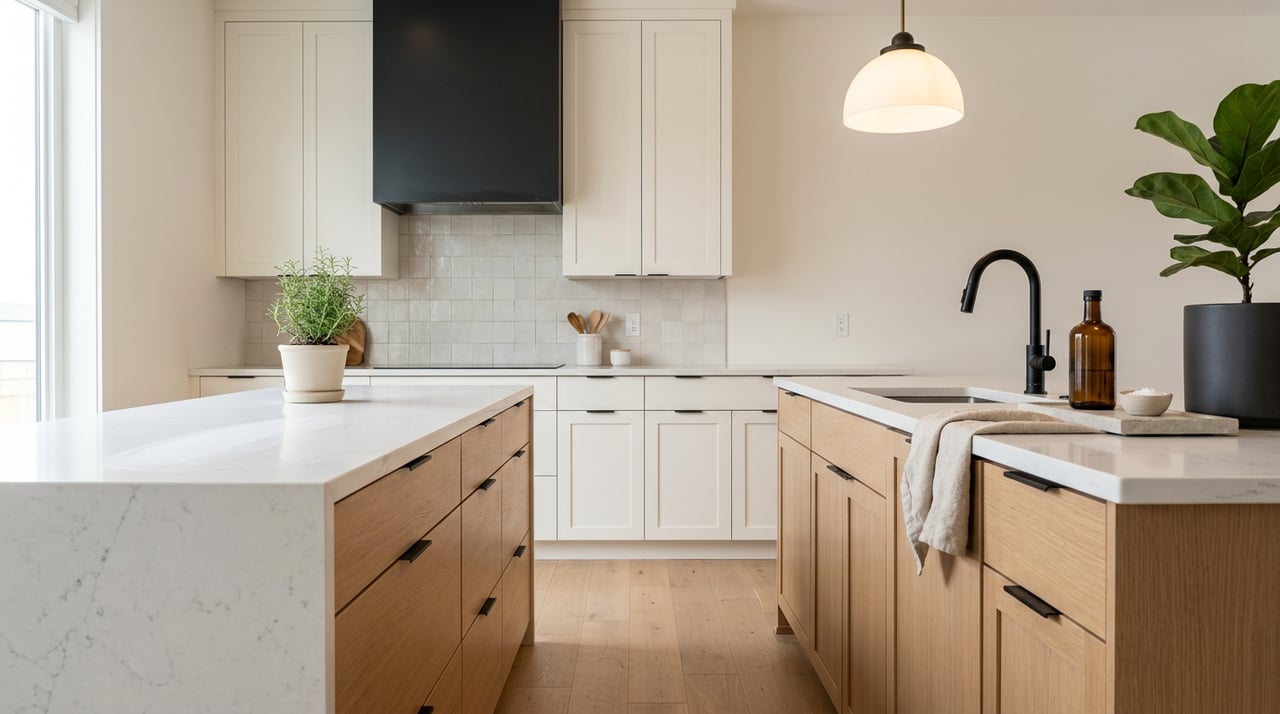
In Eden Prairie, condition can carry extra weight because so much of the housing stock is owner-occupied and relatively similar in style. When buyers tour several homes in the same price range, they often notice quickly which ones feel move-in ready and which ones feel like projects.
That does not mean every seller needs a full remodel. It does mean pricing should be honest about updates, maintenance, and presentation. If a home feels dated or needs repairs, the price usually needs to account for that reality.
Why Agents Resist “Testing The Market”
Many sellers are tempted to start high and see what happens. On paper, that can sound harmless. In practice, it often works against you.
Pricing too high can burn through your best early attention. Once buyers see a listing and pass on it, it can be difficult to recreate the same momentum later.
Research from Zillow found that homes listed for about seven days typically sold at list price. Homes that lingered for about 56 days sold around 5% below list, and homes listed for 324 days typically sold around 12% below list.
That does not prove every long listing was overpriced from day one, but it does support the idea that extra market time often comes at a cost. The longer a listing sits, the more buyers may assume something is off, even if the real issue is simply the original price.
The First Two Weeks Matter Most
Your first 7 to 14 days on market are often the most valuable. This is when your listing is freshest, your photos are newest, and buyers who are already watching the market are most likely to notice it.
Zillow engagement data helps explain why. The median Zillow listing went pending after 15 days and sold at 98% of its initial list price. Listings averaging 250 daily views typically went pending within a week, and homes with at least 5 saves per day often received an offer in about a week.
That is why launch strategy matters so much. Price, photos, showing access, and presentation all need to work together right away.
Why This Matters In Today’s Buyer Pool
Minnesota Realtors reported that in March 2026, new listings rose while pending sales fell, metro prices were flat, and days on market increased. The report also noted that first-time buyers faced the biggest hurdles, while move-up buyers and downsizers often benefited from equity.
That is important in Eden Prairie. Depending on your price point and property type, your buyer pool may be more rate-sensitive, more selective, or more focused on value than it was in a hotter market.
In other words, the right price depends partly on who is most likely to buy your home. A pricing strategy aimed at the wrong audience can slow everything down.
What Eden Prairie Agents Really Look For
A strong local pricing conversation should answer a few key questions clearly:
- Which recent sold homes are truly comparable to yours?
- Which current active listings are your real competition?
- How were differences in condition, updates, and features adjusted?
- What buyer pool is most likely to respond to your home?
- What would signal that a price adjustment is needed after launch?
These questions matter because they reveal whether a pricing recommendation is grounded in market evidence. You want a strategy that reflects local reality, not wishful thinking.
How A No-Pressure Pricing Strategy Helps
The best pricing conversations should feel clear, not salesy. You should understand why a range makes sense, what assumptions support it, and how that number fits your goals.
That is especially true if you are also buying your next home, relocating, or trying to keep the process organized around work and family life. A calm, data-informed plan can help you move forward with more confidence.
The Bottom Line On Pricing In Eden Prairie
In Eden Prairie, pricing is not just an arithmetic exercise. It is a market-positioning decision.
The most thoughtful agents connect sold comps, active competition, property type, condition, and likely buyer behavior. Then they use that strategy from day one, when your listing has the best chance to gain attention and build momentum.
If you are thinking about selling and want a pricing conversation that is grounded, organized, and easy to understand, Angela Kokkos is happy to talk it through over coffee.
FAQs
How do agents price a home in Eden Prairie?
- Agents typically look at recent comparable sales, current competing listings, property type, condition, updates, market conditions, and likely buyer demand in Eden Prairie.
Why does pricing strategy matter in the first week of an Eden Prairie listing?
- The first 7 to 14 days often bring the most attention, so a well-priced home has a better chance to create momentum before the listing becomes stale.
Should you price high to test the market in Eden Prairie?
- Testing the market with a high price can backfire because longer time on market is often associated with weaker outcomes and later price reductions.
Do condos, townhomes, and single-family homes in Eden Prairie need different comps?
- Yes. Each property type should be priced against similar homes because buyer demand and market performance can differ across condos, townhomes, and single-family properties.
What Eden Prairie sellers should ask during a pricing conversation?
- Ask which sold comps were used, which active listings are your real competition, how condition and updates were adjusted for, and what would trigger a price change after launch.