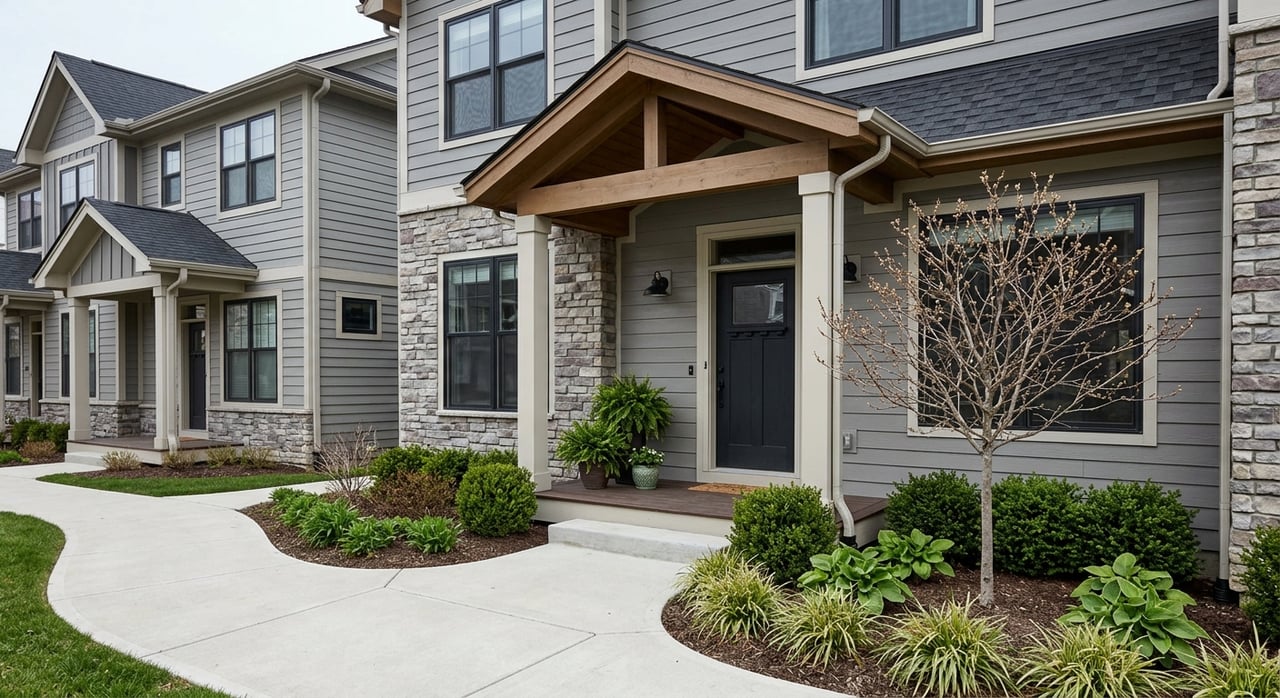
Thinking about selling your Eden Prairie home? In a market where well-priced homes can draw serious attention fast, the biggest mistakes usually happen before your listing ever goes live. If you want a smoother sale, stronger offers, and fewer last-minute surprises, it helps to follow a clear plan from day one. Here’s a step-by-step guide to help you prepare, price, launch, negotiate, and close with confidence. Let’s dive in.
Why timing and preparation matter
Eden Prairie is a competitive market. Recent local market data shows homes often move quickly, with many going pending in a matter of weeks and a meaningful share selling over list price.
That does not mean you can list casually and hope for the best. In a market like this, your first week matters most. Accurate pricing, strong presentation, and a ready-to-go launch can make a real difference in how buyers respond.
Step 1: Start with pricing and a selling plan
Before you worry about photos or showings, get clear on your timeline, your home’s condition, and your likely net proceeds. A strong first conversation should look at recent comparable sales, current competition, and any updates or repairs that could affect value.
Pricing should reflect market reality, not just your ideal number. Local guidance for Eden Prairie points to three key pricing factors: comparable sales, market conditions, and property condition. When your home is priced correctly from the start, you are more likely to attract qualified buyers and avoid sitting on the market longer than expected.
This is also the time to think through logistics. If you are buying another home, relocating, or juggling a tight schedule, your selling plan should account for those moving pieces early.
Step 2: Gather documents early
One of the smartest ways to reduce stress is to start collecting paperwork before your listing is active. In Minnesota, sellers must provide a written disclosure of known material facts that could adversely and significantly affect a buyer’s use and enjoyment of the property or intended use.
That means you should begin gathering items like:
- Repair receipts
- Service records
- Warranty information
- Notes about known issues or past repairs
- Any relevant HOA documents for a condo or townhome
If you later learn that something in your disclosure was inaccurate, Minnesota law requires you to update the buyer in writing as soon as reasonably possible and before closing. Starting early makes that process much easier.
If your home was built before 1978, there is one more important step. You must disclose any known lead-based paint or lead-hazard information before the sale, and buyers must be given a 10-day opportunity to inspect or test unless they waive that right.
Step 3: Prep the home for market
Most sellers benefit from a short prep period before listing. A common timeline is about two weeks to a month, depending on the home’s condition and how much work you want to complete before launch.
The goal is not to over-improve. In many cases, the best pre-listing work is simple and practical: clean thoroughly, declutter, depersonalize, and improve curb appeal so buyers can focus on the home itself.
You may also want to consider a pre-sale inspection, even though it is not required. It can help uncover issues with major systems or components such as the roof, structure, plumbing, electrical, heating, or air conditioning.
If an issue comes up, you do not always have to fix it. But you should understand what the repair may cost, since buyers may use that information later during negotiations.
Step 4: Get launch-ready before day one
In Eden Prairie, the listing launch is not the time to test pricing or hope buyers overlook unfinished prep. Showings often happen within the first day or week after a property hits the market, so your home should be fully ready before it goes live.
That means the key pieces need to be in place upfront:
- Pricing based on current comps and condition
- Clean, decluttered rooms
- Strong photos and polished presentation
- A plan for showings and schedule flexibility
- Disclosures and key documents prepared in advance
This early momentum matters. Angie Kokkos emphasizes maximizing exposure in the first three weeks, and that approach fits what the Eden Prairie market is showing right now. When the launch is organized, buyers can act quickly and confidently.
Step 5: Prepare for showings and early activity
Once your home is active, things can move fast. In a competitive market, serious buyers may schedule showings right away, and some may come prepared with financing already lined up.
Many sellers prefer to see a buyer’s preapproval letter before accepting an offer. A preapproval does not guarantee the loan will close, but it does show the buyer has already taken a meaningful financing step.
The showing period can feel intense, especially in the first several days. A clear routine for tidying up, leaving for showings, and staying flexible can make the process much easier.
Step 6: Review offers carefully
The highest price is not always the best offer. When offers come in, you will want to look at the full picture, including price, financing strength, contingencies, earnest money, and proposed timing.
Earnest money is often part of an accepted offer. It is not legally required, but it is commonly held in escrow until closing or until a dispute is resolved. For sellers, it can be one sign that the buyer is serious.
You should also review contingencies closely. Common examples include:
- Financing contingency
- Appraisal contingency
- Inspection contingency
- Home-sale contingency
- Home-close contingency
- Title contingency
- Homeowners insurance contingency
- HOA review contingency, if applicable
- Early move-in or rent-back terms
These terms affect how certain the sale really is. A strong offer is not just attractive on paper. It should also fit your timeline and your comfort level with risk.
Step 7: Negotiate with the next steps in mind
Negotiation often continues after you accept an offer. Inspection results, appraisal findings, and financing timelines can all lead to more back-and-forth.
If the buyer has an inspection contingency, they may ask for repairs, request a credit, or in some cases cancel without penalty if the contract allows it. If the offer includes an appraisal contingency, the buyer or lender may use the appraisal to confirm that the value supports the purchase price.
This is where preparation pays off. When you already understand your home’s condition, likely repair costs, and your priorities, it becomes easier to respond without feeling rushed.
If you accept a home-sale or home-close contingency, there may also be situations where the property can continue to be shown, depending on the contract terms. That can be helpful if you want backup interest while waiting for the buyer’s conditions to be met.
Step 8: Move from accepted offer to closing
Once you are under contract, the process shifts from marketing to execution. The buyer typically handles inspection, financing, and title-related steps, while the lender gathers documents and works toward final loan approval.
This part usually takes about 30 to 45 days after an offer is accepted. That timeline can vary, but it is a useful planning range if you are coordinating your move, next purchase, or relocation schedule.
Before closing, the buyer will usually complete a final walk-through. This is their chance to confirm agreed repairs were completed and that any items you agreed to leave behind are still in place.
To reduce the chance of last-minute issues, complete any agreed repairs before closing and keep records organized. A smooth closing often comes down to good communication and follow-through during these final weeks.
Step 9: Plan your move-out timing
Your move-out date is not always the same as the day your home goes under contract. In many cases, the move-out period is negotiated as part of the sale, and a 30-day window is common.
If you need more flexibility, a rent-back or post-closing occupancy arrangement may be negotiated. That can be especially helpful if you need extra time to move into your next home.
The key is to think about this before you accept an offer. Timing terms can matter almost as much as price when you are trying to keep your move organized and low-stress.
Step 10: Understand closing day in Hennepin County
Closing day is the final signature stage, but there is also a local paperwork step that matters in Hennepin County. Deed transfers are recorded locally, and the county requires an eCRV with the recording of any deed with taxable consideration of $3,000 or more.
For you as a seller, that means the finish line is more than a signing appointment. It is also a document and recording process that helps complete the transfer properly.
By the time you reach this point, most of the heavy lifting should already be done. The smoother your prep, pricing, disclosures, and negotiations were upfront, the easier this final step usually feels.
Selling a home in Eden Prairie does not have to feel chaotic. With the right pricing, thoughtful prep, a strong launch, and steady guidance through negotiations and closing, you can move through the process with much more clarity and less guesswork. If you want a calm, organized plan tailored to your timeline and your home, Angela Kokkos would love to talk about it over coffee.
FAQs
How long does it take to sell a home in Eden Prairie?
- Many sellers spend about two weeks to a month preparing before listing, showings often begin in the first week, and accepted offers commonly take about 30 to 45 days to close.
What disclosures are required when selling a home in Minnesota?
- Minnesota sellers must provide written disclosure of known material facts that could adversely and significantly affect a buyer’s use and enjoyment of the property or intended use, and sellers must update the disclosure in writing if they later learn it was inaccurate before closing.
What should I do before listing my Eden Prairie home?
- Gather repair receipts, service records, warranty details, known issue information, and any relevant HOA documents, then focus on cleaning, decluttering, curb appeal, and pricing based on comparable sales and property condition.
What happens if a buyer asks for repairs after the inspection?
- Buyers often use an inspection contingency to request repairs, negotiate credits, or cancel if the contingency terms are not satisfied.
Can I keep showing my Eden Prairie home after accepting an offer?
- Yes, in some cases you can continue showing the home if the accepted offer includes a home-sale or home-close contingency and the contract allows continued showings.
What is the Hennepin County eCRV for a home sale?
- For deed recordings in Hennepin County with taxable consideration of $3,000 or more, an eCRV is required as part of the recording process.